Breckenridge Condo Association Insurance
9:00am - 5:00pm Mon-Fri
We'll Reply in 15min*
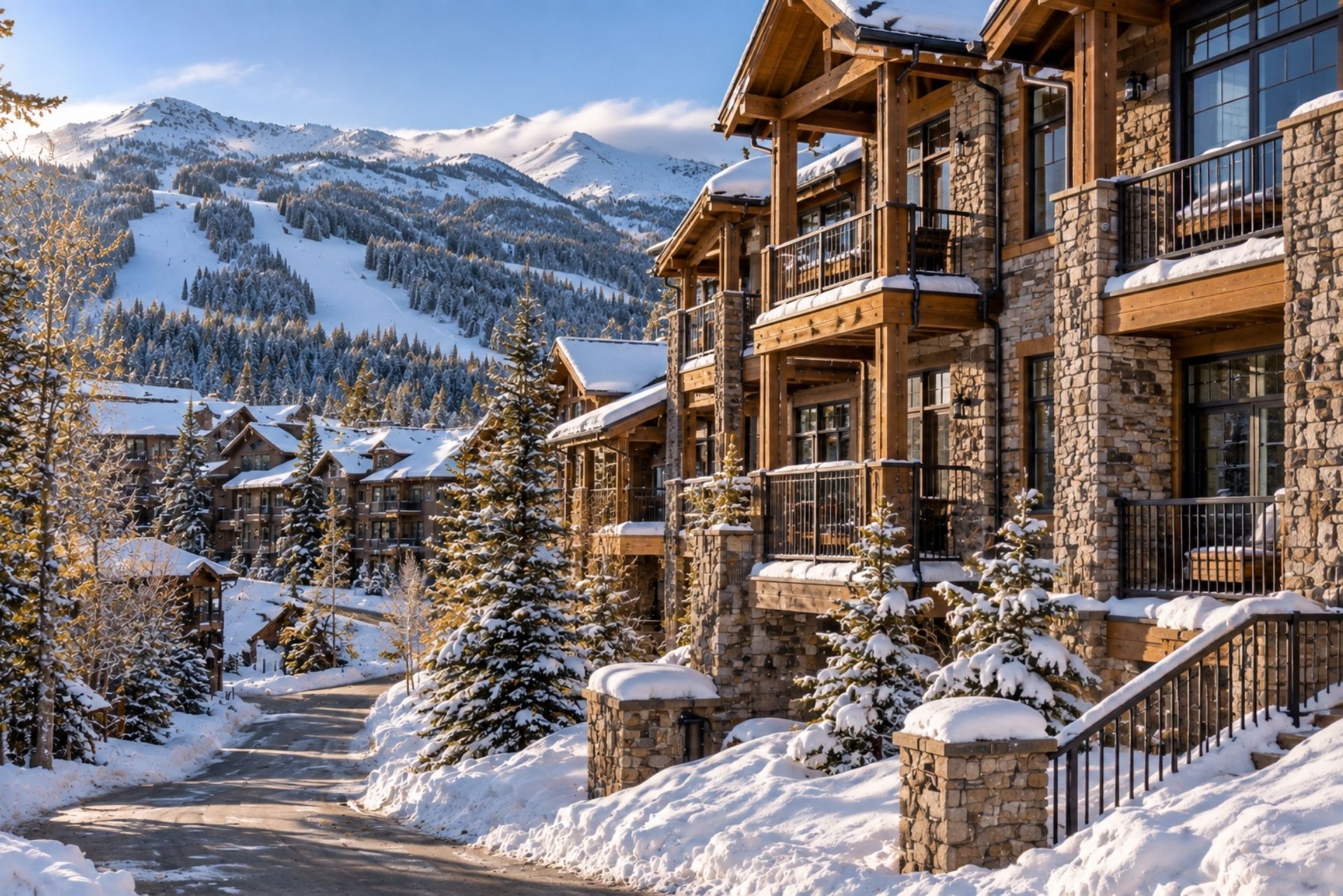
Running a condo association at 9,600 feet comes with risks that boards in Denver or Colorado Springs don't think twice about. Heavy snow loads, ice dams creeping under rooflines, wildfire seasons that keep stretching longer, and a short-term rental market that changes the liability profile of your entire building: these are daily realities for Breckenridge boards. Colorado has climbed to become the 6th most expensive state for property insurance, with average premiums now near $4,164. That number hits harder for associations managing multi-unit properties with shared infrastructure.
Getting the right condo association insurance in Breckenridge means understanding how wildfire exposure, snow load damage, ice dams, short-term rental activity, general liability, and
D&O coverage all interact under a single master policy. A gap in one area can cascade into others. Your D&O policy won't help if the board failed to maintain defensible space. Your
property coverage won't pay out if the master policy doesn't account for ice dam water damage correctly. This guide breaks down each of these exposures and shows you how to build a coverage structure that actually holds up when something goes wrong.
Understanding Master Policy Basics in Breckenridge
Your master policy is the foundation everything else sits on. It covers the building structure, common areas, and shared systems like plumbing, electrical, and HVAC. But the scope of that coverage varies dramatically depending on which model your association selects. Getting this wrong creates confusion during claims and can leave individual owners exposed without knowing it.
Bare Walls vs. All-In Coverage Models
A bare walls policy covers only the building's structural components: exterior walls, roof, floors, and shared systems. Everything inside a unit, from drywall finishing to cabinets and fixtures, falls to the individual owner's HO-6 policy. An all-in policy extends the master coverage to include interior fixtures and improvements as they were originally built. Most Breckenridge associations we've seen lean toward all-in models because they reduce disputes after water or fire damage. The catch is that all-in policies cost more, and owners still need HO-6 coverage for personal property and any upgrades they've made.
Common Area Liability Protection
Common area liability covers the association when someone gets hurt in shared spaces: lobbies, parking garages, pools, ski lockers, walkways. In Breckenridge, icy walkways and snow-covered stairs are a constant liability source from October through April. Your policy should include slip-and-fall coverage with limits that reflect actual foot traffic, especially if your building serves short-term rental guests who aren't familiar with mountain conditions.

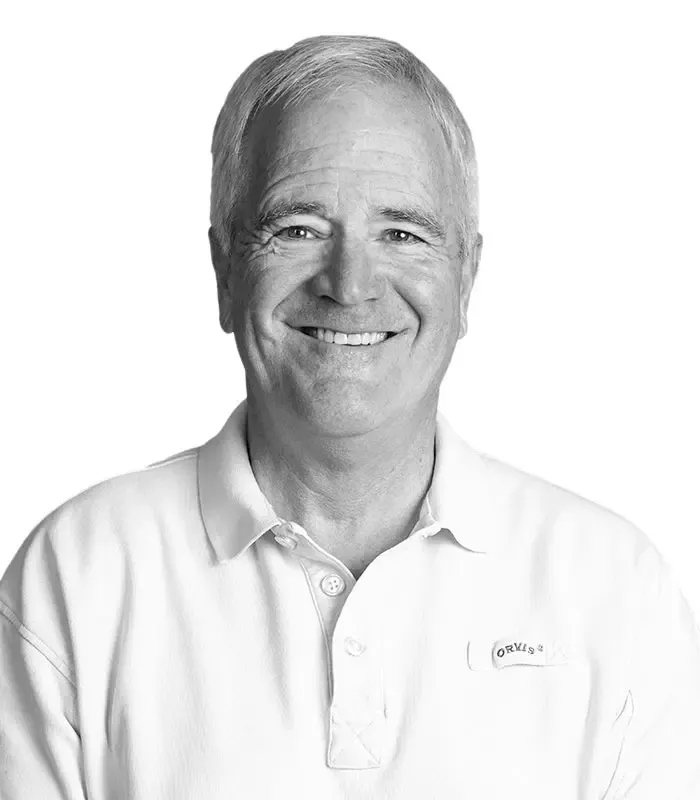
By: John Jacquat
Founder & President
Essential Coverage Types for Summit County HOAs
Beyond the master policy, several supplemental coverages fill gaps that boards often overlook until a claim hits.
Directors and Officers (D&O) Liability
D&O insurance protects board members personally when someone sues over a decision the board made, or failed to make. This could be a dispute over special assessments, enforcement of rental rules, or failure to maintain the property. If your board hasn't addressed wildfire mitigation and a fire damages the property, D&O exposure increases significantly. An HOA board that ignored documented fuel pathways carrying fire risk to units could face negligence claims that a D&O policy might not cover if the insurer argues willful neglect.
Ordinance or Law Coverage for Older Buildings
Many Breckenridge condos were built in the 1970s and 1980s. When a covered loss triggers major repairs, current building codes may require upgrades that go well beyond restoring the original structure. Ordinance or law coverage pays the difference. Without it, your association absorbs the cost of bringing electrical, plumbing, or structural elements up to 2026 code requirements.
Fidelity Bond and Crime Insurance
A fidelity bond protects the association's funds if a board member, property manager, or employee steals money. Associations should consult legal counsel to determine if their assessment levels require specific coverage under state regulations. Crime insurance extends this to cover fraud, forgery, and computer theft. If your management company handles assessment collections, make sure the bond covers their employees too.
High-Altitude Risk Considerations
Breckenridge's elevation and geography create insurance exposures that are unusual compared to Front Range communities. Carriers know this, and they price accordingly.
Snow Load and Ice Dam Damage
Breckenridge averages over 300 inches of snowfall per year. That weight accumulates on roofs, and flat or low-slope sections are particularly vulnerable to collapse or structural stress. Ice dams form when heat escaping through the roof melts snow that refreezes at the eaves, forcing water under shingles and into the building envelope. Here's the nuance many boards miss: resulting water damage from ice dams is generally covered, but the actual removal of the ice dam itself is typically excluded. That means your association pays out of pocket for ice dam removal, which is often classified as preventative maintenance and excluded from coverage.
Wildfire Mitigation and Insurance Availability
Wildfire risk in Summit County accounts for roughly 7.9% of total premium costs, yet it's the primary driver of policy non-renewals. That disconnect matters. Carriers are dropping associations not because wildfire is the biggest cost today, but because they see it as an unpredictable catastrophic exposure. Documented mitigation is now a requirement for eligibility in the Breckenridge area, not just a path to discounts. Defensible space, fire-resistant materials, and community-wide mitigation plans are what carriers want to see before they'll write or renew a policy.
Under HB25-1182, effective July 1, 2026, insurers using wildfire risk models must share specific risk scores with associations and offer a formal appeal process for disputed scores. If your association hasn't requested its score yet, do it now.
How Short-Term Rental Activity Affects Your Coverage
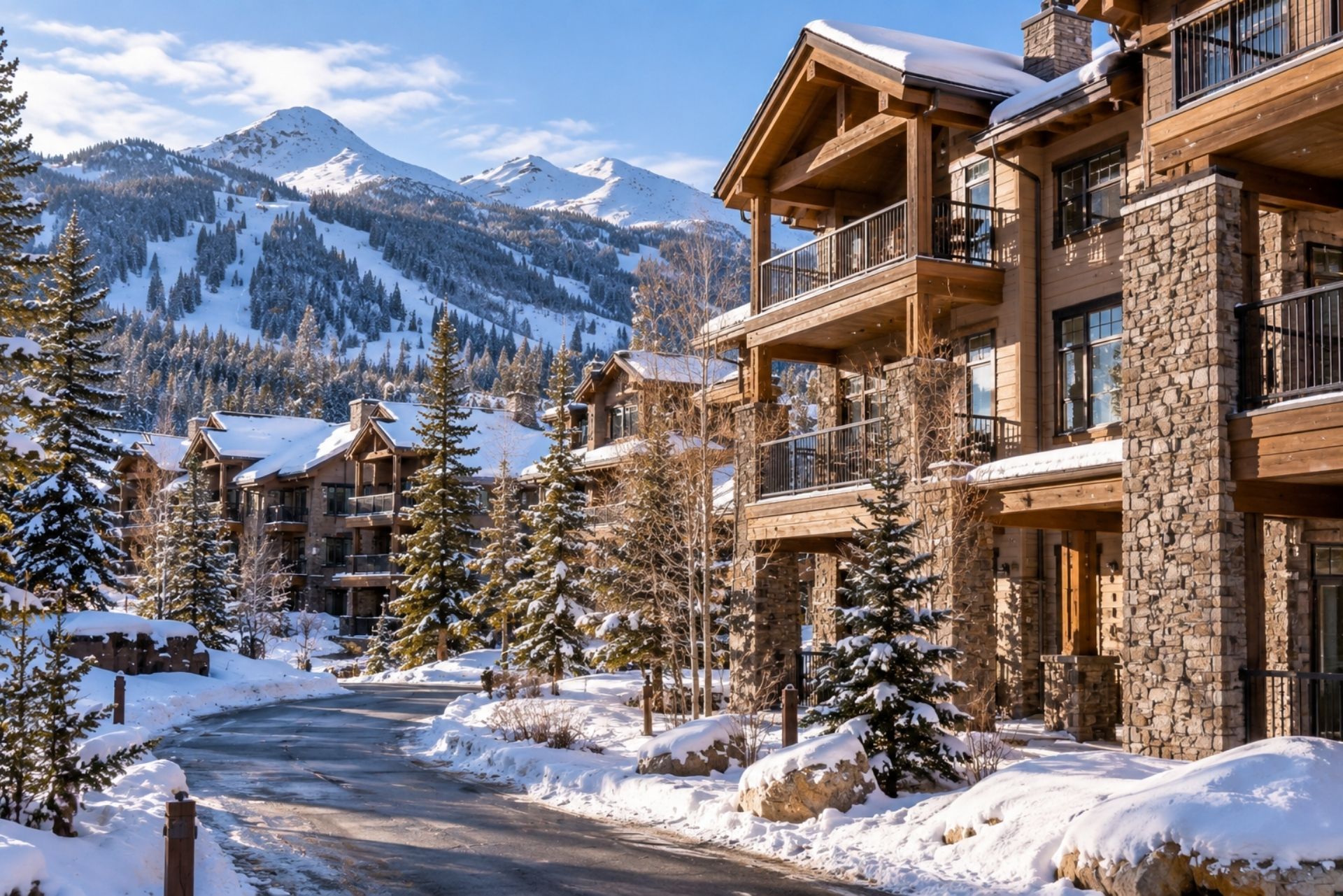
Short-term rentals change the risk profile of your entire building. Higher guest turnover means more wear on common areas, more liability exposure, and more frequent claims. Many master policies contain exclusions or limitations for units used as short-term rentals. If your governing documents allow STRs, your insurance needs to reflect that reality.
One important detail for Breckenridge associations: STR licenses don't transfer when a unit is sold. The license is extinguished, and the new owner must apply under current zone caps. This means your building's rental activity can shift unpredictably, and your insurance should be reviewed whenever ownership changes occur. Boards should also require unit owners operating STRs to carry their own commercial liability policies naming the association as an additional insured.
| Coverage Area | Standard Master Policy | Enhanced/STR-Adjusted Policy |
|---|---|---|
| Common area liability | Covers resident use | Extends to transient guest use |
| Property damage from guests | Often excluded or limited | Included with higher sublimits |
| Loss of rental income | Not covered | Available as endorsement |
| Umbrella liability | $1M typical | $2M-$5M recommended for STR buildings |
| Unit owner insurance requirement | HO-6 only | HO-6 plus commercial liability for STR units |
Common Questions About Breckenridge Condo Insurance
What happens if our association can't find a carrier willing to write a policy? Colorado's FAIR Plan, currently in Phase 1 of its rollout through 2025-2026, serves as the insurer of last resort. You'll need to show that at least two traditional carriers denied you coverage before you qualify.
Does the master policy cover damage inside individual units? That depends on whether your association carries a bare walls or all-in policy. Bare walls covers only structural elements. All-in extends to original interior fixtures. Either way, owners need their own HO-6 policy for personal belongings and upgrades.
Are ice dam removal costs covered by insurance? Typically, no. Insurance covers the water damage that results from ice dams, but removing the ice dam itself is excluded from most policies. Budget for removal as a maintenance expense.
Can the board be personally sued for not addressing wildfire risk? Yes. If the board knew about fuel loads or defensible space deficiencies and didn't act, individual directors could face negligence claims. D&O insurance helps, but carriers may deny claims if the board's inaction was documented and willful.
Do we need separate coverage if some units are used as short-term rentals? Your master policy should be endorsed to reflect STR activity. Require STR unit owners to carry their own commercial liability policies and name the association as additional insured.
How often should we review our master policy?
Annually at minimum, and whenever there's a significant change: new STR regulations, completed mitigation work, building renovations, or ownership turnover that shifts the rental mix.
Start your renewal prep at least 90 days before your policy expires. Carriers in mountain markets are tightening timelines, and last-minute shopping leaves you with fewer options and higher premiums.
Request your wildfire risk score from your current carrier. Under HB25-1182, they're required to provide it. If the score seems inaccurate, use the formal appeal process. Document every mitigation effort your association has completed: defensible space clearing, roof replacements with fire-resistant materials, ember-resistant vent installations. Carriers want proof, not promises.
Review your governing documents against your current policy. If your docs allow short-term rentals but your policy doesn't account for them, you have a coverage gap that could blow up during a claim.
Getting the Right Insurance Partner for Your Association
Not every agent understands mountain property risks. Work with a broker who has direct experience placing condo association policies in Summit County. They should know which carriers are still writing in the Breckenridge market, which ones have pulled out, and what mitigation documentation each underwriter requires. A generalist agent working from the Front Range may quote you a policy that looks fine on paper but contains exclusions that matter at 9,600 feet.
Protecting Your Investment Long-Term
Condo association insurance in Breckenridge isn't a set-it-and-forget-it line item. The risks are shifting: wildfire seasons are longer, snow events are more variable, STR regulations keep evolving, and carrier appetite changes year to year. Boards that treat insurance as an active management responsibility, rather than an annual checkbox, end up with better coverage at more stable premiums.
Your next step is straightforward. Pull your current master policy, compare it against the coverage types outlined here, and identify where gaps exist. Get your wildfire risk score. Document your mitigation work. Talk to a mountain-market broker who can pressure-test your coverage against real claim scenarios. The associations that do this work now are the ones that won't be scrambling when a loss actually hits.
ABOUT THE AUTHOR:
John Jacquat
As President of Pure Risk Advisors, I’m dedicated to helping clients protect what matters most through clear, personalized insurance solutions. Since 2009, my focus has been delivering trusted coverage and guidance for individuals and businesses across Colorado and beyond.
The Pure Risk Process
Process of Working With A Business Insurance Agent in Colorado

Risk Analysis & Tailoring
Embark on a meticulous exploration of your business's unique vulnerabilities and aspirations. Pure Risk Advisors goes beyond mere coverage, ensuring you're equipped with solutions finely tuned to Colorado’s distinct business landscape.

Strategic Business Consultation
Dive deep into a strategic session with our seasoned specialists. By delving into your business model, aspirations, and challenges, we align our insurance recommendations not just to protect but to propel your business forward, keeping in mind Colorado’s intricate regulatory environment.

Swift Policy Integration
Upon discerning the optimal protection strategy, we streamline the activation process. Partnering with Pure Risk Advisors means more than just business insurance – it's about securing your enterprise's future with unmatched diligence and expertise in Colorado.
Pure Risk Advisors Team
Meet Our Colorado Professional Team Members
Meet the heart and soul of Pure Risk Advisors: our exceptional team. Each individual has been meticulously selected not just for their deep-rooted industry knowledge, but for their passion and commitment to genuinely serve our clients.
We pride ourselves on forging more than just business transactions; we build relationships. Our team doesn't see you as just another policy number. Instead, they view every interaction as a partnership, crafting solutions that resonate with your unique needs.
Dive in, get to know us, and discover firsthand why our team makes all the difference.


Client Testimonials
Amazing Feedback About Pure Risk Advisors


In today’s insurance marketplace, innovation and originality are important - but unless they’re accompanied by integrity and personalized service, they do little to accomplish a club owner’s goals. ACE National is proud to recognize John Jacquat and his company, Pure Risk Solutions, as one of our top-ranked premier industry providers. John has consistently mastered achievement in leadership, creating the best product for a client’s needs and following through on his word. I can recommend Mr. Jacquat without reserve if you’re in the market for club insurance.
Angelina Spencer
Executive Director of Ace National
Business Insurance Coverage in Colorado
Commercial Insurance Options
Business Owner's Policy
Coverage for property damage, liability, and business interruption combined.
General Liability Insurance
Protects against business liabilities like bodily injury and property damage.
Workers' Comp. Insurance
Covers employee injury costs, ensuring business and worker protection.
Professional Liability Insurance
Guard against professional mistakes, negligence, or services rendered failures.
Commercial Property Insurance
Broad protection against business-related injuries or property damage claims.
Commercial Auto Insurance
Coverage for business vehicles against damage, injury, or liability.
We've been serving Colorado Business Since 2009
Industries Served
Latest News & Blog
Read Our Latest Articles