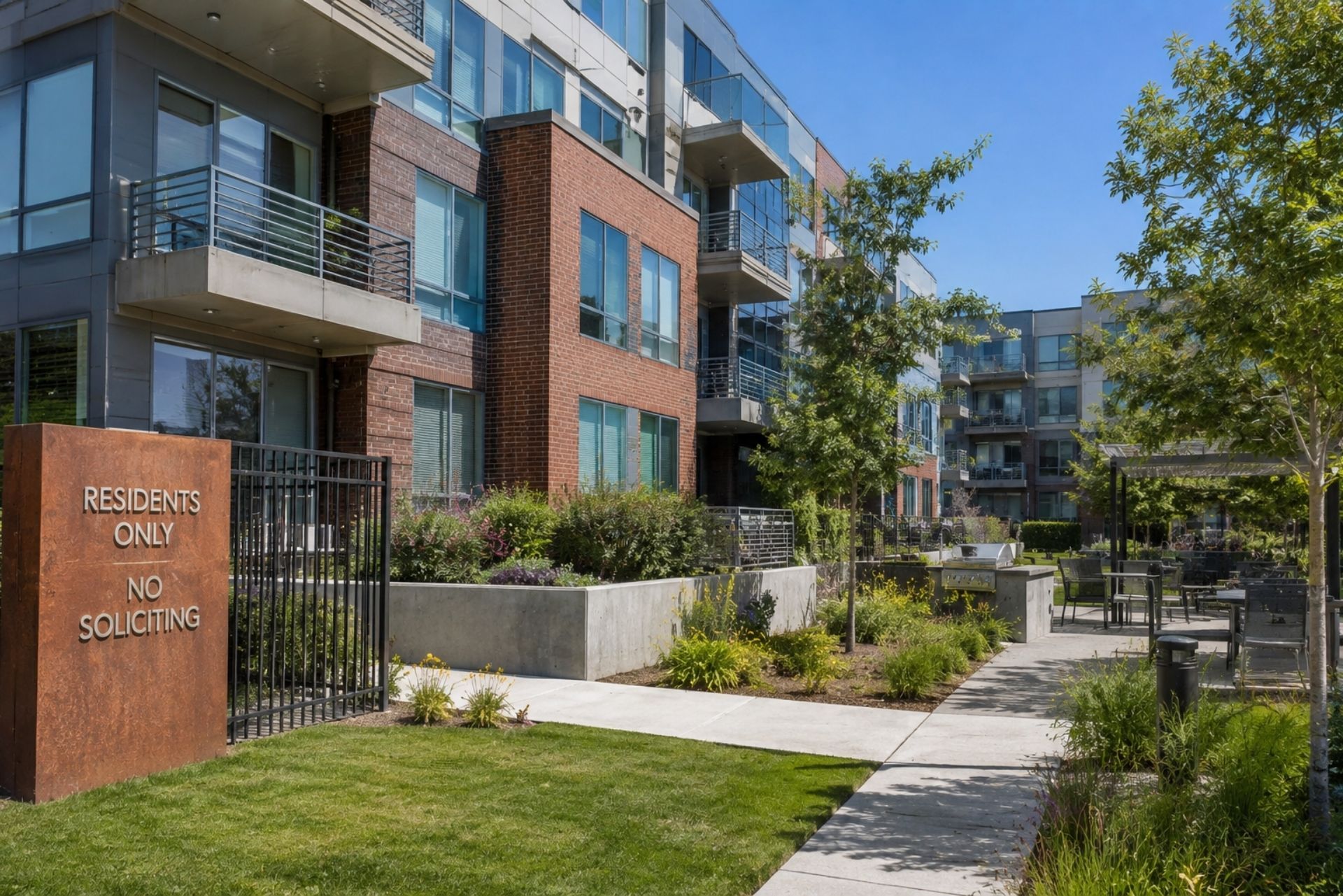
Denver Condo Association Insurance
9:00am - 5:00pm Mon-Fri
We'll Reply in 15min*
Running a condo association in Denver means juggling budgets, maintenance schedules, and the expectations of dozens (or hundreds) of
unit owners. But nothing catches a board off guard quite like an insurance gap that surfaces only after a claim gets denied. Colorado's insurance market has been volatile:
homeowners insurance premiums in the state
grew by 100.8% between 2020 and 2025, leading the nation. For condo associations, the stakes are even higher because a single master policy covers shared property worth millions. Understanding the full picture of
condo association insurance in Denver, from property and liability coverage to D&O, crime, deductibles, and claims, isn't optional anymore. It's a fiduciary responsibility. This guide breaks down what your board actually needs to know, with Colorado-specific context that generic insurance articles tend to skip.
Understanding Master Policies in Denver's HOA Landscape
Every condo association carries a master insurance policy. It's the backbone of your community's financial protection, covering the building's structure, common areas, and shared systems like elevators or HVAC. But the specifics vary wildly depending on your policy type and what your governing documents require.
Denver's market adds its own wrinkles. Hail, wildfire proximity, and aging building stock all factor into underwriting decisions. A master policy that worked five years ago may have exclusions or sub-limits that leave your association exposed today. Boards need to review their policy annually, ideally with a broker who understands Colorado's condominium-specific risks.
Bare Walls vs. All-In Coverage Models
The difference between "bare walls" and "all-in" coverage determines who pays for what after a loss, and it's one of the most common sources of confusion among unit owners.
A bare walls policy covers only the structural elements of the building: the framing, drywall, exterior walls, and common areas. Everything inside a unit, including flooring, cabinets, fixtures, and appliances, falls on the individual owner's HO-6 policy. An all-in (or "single entity") policy extends coverage to include original installations within each unit. That means the association's master policy would cover built-in cabinetry, standard flooring, and original fixtures.
Your declaration documents should specify which model applies. If they're vague, get legal counsel involved before a claim forces the issue.
Colorado Legal Requirements for Associations
Colorado's Common Interest Ownership Act (CIOOA) sets baseline insurance requirements for condo associations. The association must maintain property insurance covering the full replacement cost of the common elements and, depending on the declaration, the units themselves. Liability coverage is also mandatory.
Recent legislative changes have tightened board responsibilities. Colorado's evolving HOA laws now impose stricter transparency and reserve study requirements that directly affect insurance planning. Boards that ignore these obligations risk personal liability, which is exactly where D&O coverage becomes critical.

By: John Jacquat
Founder & President
Critical Coverage Types for Denver Condos
A master property policy is just one piece of the puzzle. Denver condo associations need several distinct coverage types to protect the community, the board, and association finances.
Directors and Officers (D&O) Liability
Board members make decisions that affect property values, spending, and enforcement. D&O liability insurance protects individual directors and officers from lawsuits alleging mismanagement, negligence, or breach of fiduciary duty. Without it, a board member's personal assets could be at risk.
Common D&O claims in Denver include disputes over special assessments, failure to maintain adequate reserves, and selective enforcement of rules. Policies typically cover legal defense costs even if the claim is baseless. Most carriers offer limits between $1 million and $5 million, and premiums depend on the association's size, claims history, and reserve health.
Fidelity and Crime Protection
Fidelity bonds (also called crime coverage) protect against theft or embezzlement by anyone who handles association funds, including board members, property managers, and bookkeepers. Colorado's CIOOA requires fidelity coverage, and most lenders mandate it as a condition of mortgage approval for units in the community.
A good fidelity bond should cover at least the total of your operating account, reserve fund, and three months of assessments. Associations that self-manage are particularly vulnerable here because fewer eyes on the books means more opportunity for fraud.
General Liability and Property Damage
General liability insurance covers bodily injury and property damage claims that occur on association property. Someone slips on an icy walkway in January, a child gets hurt on a playground, or a visitor trips over a broken step: these are all GL claims.
Denver's freeze-thaw cycles and heavy snowfall create consistent slip-and-fall exposure from November through March. Most associations carry $1 million per occurrence and $2 million aggregate, though larger communities or those with pools, gyms, or parking structures may need higher limits. Your master insurance policy should also address property damage to common elements from covered perils like fire, wind, and hail.
Comparing Master Policy Coverage Levels
Not all master policies are created equal. Here's a quick comparison of the three main coverage models Denver associations encounter:
| Feature | Bare Walls | Single Entity (All-In) | All-In with Improvements |
|---|---|---|---|
| Structural elements | Covered | Covered | Covered |
| Common areas | Covered | Covered | Covered |
| Original unit fixtures | Not covered | Covered | Covered |
| Owner upgrades/improvements | Not covered | Not covered | Covered |
| Typical premium | Lowest | Moderate | Highest |
| Owner HO-6 need | High | Moderate | Lower (still recommended) |
| Best for | Budget-conscious associations | Mid-range communities | Luxury or newer condos |
Regardless of which model your association uses, every unit owner still needs an HO-6 policy for personal property, loss assessment coverage, and personal liability. The master policy never covers an owner's furniture, electronics, or personal belongings.
How Denver's Insurance Costs Are Shifting in 2026
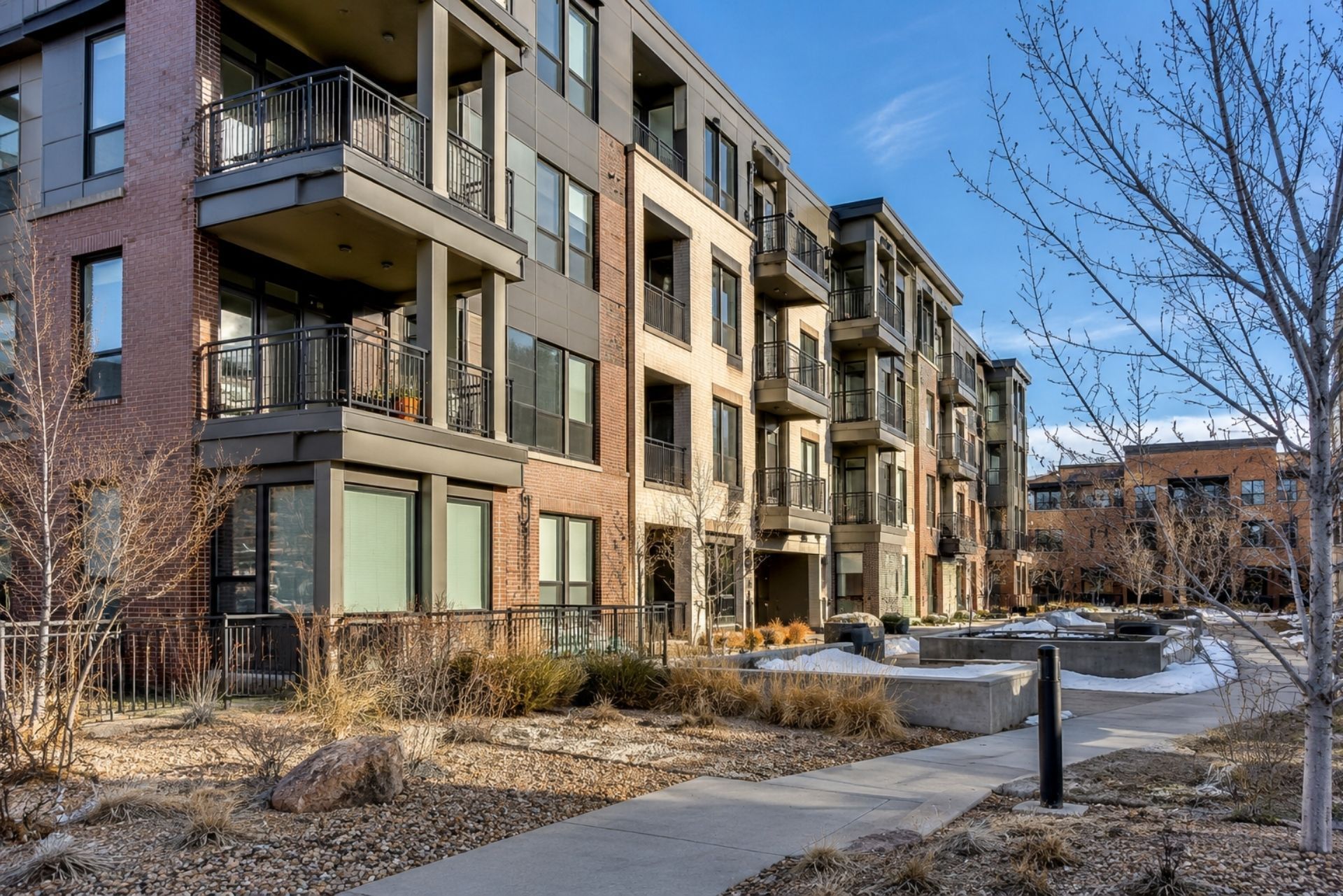
Denver's condo insurance market has been under pressure for years, and 2026 hasn't brought relief. Hail remains the primary cost driver. Colorado's Front Range sees some of the most frequent and severe hailstorms in the country, and insurers have responded with higher premiums, larger deductibles, and tighter underwriting.
Many associations are now seeing insurance costs that strain budgets and force difficult conversations about special assessments. Carriers are also adding cosmetic damage exclusions to wind and hail coverage, meaning your roof might get dented but not replaced unless the damage is functional.
Boards should request loss-run reports annually and shop the market every two to three years. Working with a broker who specializes in community associations, not just commercial insurance, makes a real difference in both pricing and coverage quality.
Filing a claim sounds simple until you're actually doing it. The process for condo associations involves more steps and more stakeholders than a typical homeowner claim.
Start by documenting the damage immediately. Photos, videos, and written descriptions all matter. Notify your insurance carrier within the timeframe specified in your policy, which is usually 30 to 60 days but can be shorter for certain perils. Your property manager should coordinate access for the adjuster and communicate timelines to affected unit owners.
Handling Common Denver Issues: Hail and Water Damage
Hail and water damage account for the majority of condo association claims in Denver. Hailstorms can damage roofs, siding, windows, and HVAC units across an entire complex in minutes. Water damage, whether from burst pipes, roof leaks, or snowmelt intrusion, tends to affect multiple units and creates disputes about who's responsible for what.
For hail claims specifically, getting an independent damage assessment before or alongside the carrier's adjuster can strengthen your position. One major cautionary tale: a condo association recently sued six insurers after they allegedly attributed damage to the wrong cause to avoid paying claims. Having your own documentation and expert opinions protects the association.
Determining Deductible Responsibility
Who pays the deductible is one of the most contentious issues in condo insurance. Your governing documents should spell this out, but many don't do it clearly.
Common approaches include charging the deductible to the unit owner whose unit is the source of the loss, splitting it among all affected owners, or paying it from association reserves. Some associations pass the full deductible to the owner who files the claim, regardless of fault. With wind and hail deductibles now commonly set at 2% to 5% of the building's insured value, a single hail claim on a $10 million building could mean a $200,000 to $500,000 deductible. That's not a number you want to figure out after the storm hits.
Common Questions About Denver Condo Insurance
Do I still need my own insurance if the association has a master policy? Yes. The master policy covers the building and common areas, not your personal belongings, liability, or improvements you've made to your unit. An HO-6 policy fills those gaps.
What does "loss assessment" coverage mean on my HO-6 policy? If the association's master policy deductible or an uninsured loss results in a special assessment to unit owners, loss assessment coverage on your HO-6 helps pay your share. Most policies offer $1,000 to $50,000 in coverage.
How often should the board review the master policy? At least annually, and always after a major claim, significant renovation, or change in building value. Replacement cost estimates should be updated every few years using a professional appraisal.
Can the board be personally sued for inadequate insurance? Yes. Board members have a fiduciary duty to maintain proper coverage. D&O insurance protects against these claims, but it doesn't eliminate the obligation to act responsibly.
What's the difference between actual cash value and replacement cost? Actual cash value factors in depreciation, so you get less money for older items. Replacement cost pays what it takes to replace or repair with similar materials at current prices. Always push for replacement cost on your master policy.
Steps to Take After a Covered Loss
Act fast. Delay can jeopardize your claim.
- Secure the property to prevent further damage (tarps on roofs, shutting off water)
- Document everything with photos, video, and written notes before cleanup
- Notify your insurance carrier and property manager within 24 hours
- Keep all receipts for emergency repairs
- Coordinate adjuster access and communicate with affected unit owners
- Get independent estimates if the adjuster's assessment seems low
- Track all correspondence in writing
What Colorado's Insurance Division Is Doing About Rising Costs
Colorado's Division of Insurance has been taking action to address premium increases across the state. Regulatory efforts include increased scrutiny of rate filings and incentives for mitigation measures like impact-resistant roofing.
For condo associations, this means potential premium relief if you invest in loss-prevention upgrades. Impact-resistant roofing, improved drainage systems, and updated plumbing can all qualify for insurance credits. Some carriers offer 15% to 30% discounts for Class 4 impact-resistant shingles alone.
Understanding Your Policy's Exclusions and Sub-Limits
Every policy has exclusions, and they're where claims die. Common exclusions in Denver condo master policies include flood (requires a separate NFIP or private flood policy), earthquake, mold beyond initial water damage remediation, and ordinance or law costs for bringing a damaged building up to current code.
Sub-limits are equally dangerous. Your policy might cover water damage but cap it at $50,000 per occurrence when actual remediation costs $200,000. Review your policy's sub-limits for water damage, equipment breakdown, and ordinance/law coverage. If the limits seem low, ask your broker about endorsements to increase them.
Protecting Your Association's Future
Getting condo association insurance right in Denver requires more than checking a box. It demands ongoing attention from the board, clear communication with unit owners, and a broker relationship built on trust and expertise. The combination of property coverage, general liability, D&O, crime protection, and properly structured deductibles forms a safety net that protects everyone in the community.
Review your master policy this year. Compare it against your declarations and Colorado's legal requirements. Make sure your deductible responsibility language is clear in your governing documents before the next hailstorm rolls through. And if your premiums have spiked, don't just absorb the cost: get competing quotes and explore mitigation credits that could bring real savings.
Your board's decisions today determine whether a future claim is a manageable event or a financial crisis. Treat your insurance program with the same seriousness you give your reserve fund, because when a loss hits, they work together.
ABOUT THE AUTHOR:
John Jacquat
As President of Pure Risk Advisors, I’m dedicated to helping clients protect what matters most through clear, personalized insurance solutions. Since 2009, my focus has been delivering trusted coverage and guidance for individuals and businesses across Colorado and beyond.
The Pure Risk Process
Process of Working With A Business Insurance Agent in Colorado

Risk Analysis & Tailoring
Embark on a meticulous exploration of your business's unique vulnerabilities and aspirations. Pure Risk Advisors goes beyond mere coverage, ensuring you're equipped with solutions finely tuned to Colorado’s distinct business landscape.

Strategic Business Consultation
Dive deep into a strategic session with our seasoned specialists. By delving into your business model, aspirations, and challenges, we align our insurance recommendations not just to protect but to propel your business forward, keeping in mind Colorado’s intricate regulatory environment.

Swift Policy Integration
Upon discerning the optimal protection strategy, we streamline the activation process. Partnering with Pure Risk Advisors means more than just business insurance – it's about securing your enterprise's future with unmatched diligence and expertise in Colorado.
Pure Risk Advisors Team
Meet Our Colorado Professional Team Members
Meet the heart and soul of Pure Risk Advisors: our exceptional team. Each individual has been meticulously selected not just for their deep-rooted industry knowledge, but for their passion and commitment to genuinely serve our clients.
We pride ourselves on forging more than just business transactions; we build relationships. Our team doesn't see you as just another policy number. Instead, they view every interaction as a partnership, crafting solutions that resonate with your unique needs.
Dive in, get to know us, and discover firsthand why our team makes all the difference.



Client Testimonials
Amazing Feedback About Pure Risk Advisors


In today’s insurance marketplace, innovation and originality are important - but unless they’re accompanied by integrity and personalized service, they do little to accomplish a club owner’s goals. ACE National is proud to recognize John Jacquat and his company, Pure Risk Solutions, as one of our top-ranked premier industry providers. John has consistently mastered achievement in leadership, creating the best product for a client’s needs and following through on his word. I can recommend Mr. Jacquat without reserve if you’re in the market for club insurance.
Angelina Spencer
Executive Director of Ace National
Business Insurance Coverage in Colorado
Commercial Insurance Options
Business Owner's Policy
Coverage for property damage, liability, and business interruption combined.
General Liability Insurance
Protects against business liabilities like bodily injury and property damage.
Workers' Comp. Insurance
Covers employee injury costs, ensuring business and worker protection.
Professional Liability Insurance
Guard against professional mistakes, negligence, or services rendered failures.
Commercial Property Insurance
Broad protection against business-related injuries or property damage claims.
Commercial Auto Insurance
Coverage for business vehicles against damage, injury, or liability.
We've been serving Colorado Business Since 2009
Industries Served
Latest News & Blog
Read Our Latest Articles