Lakewood Condo Association Insurance
9:00am - 5:00pm Mon-Fri
We'll Reply in 15min*
A burst pipe in the parking garage at 2 a.m. A slip-and-fall lawsuit from a visitor in the lobby. A board member accused of mismanaging reserve funds. These aren't hypothetical scenarios for Lakewood condo associations: they're Tuesday. Colorado ranks as the 6th most expensive state for homeowners insurance, with average premiums jumping 61% in recent years. For condo associations specifically, the stakes are even higher because a single underinsured claim can trigger special assessments that hit every unit owner's wallet.
Getting the right insurance package in place, one that covers master property, liability, D&O exposure, crime, equipment breakdown, and claims, isn't optional. It's the financial backbone of your community. Whether you're a new board member trying to understand what your association actually carries or a long-time owner wondering why assessments keep climbing, this guide breaks down what matters and what to watch for in Lakewood's current market.
Understanding Master Policy Basics in Lakewood
Every condo association in Lakewood is required to carry a master insurance policy. This is the policy that covers the building's structure and shared spaces. Think of it as the umbrella that protects the physical community itself, not individual units' interiors or personal belongings.
The master policy is typically the single largest line item in an association's insurance budget. It covers damage to the building from fire, wind, hail, and other named perils. Lakewood associations must meet specific requirements if units in the community carry mortgages backed by Fannie Mae, which most do. Those master property insurance requirements for project developments dictate minimum coverage amounts and deductible thresholds that your board can't ignore.
Bare Walls vs. All-In Coverage Models
The two most common master policy structures are "bare walls" and "all-in" coverage. A bare walls policy covers only the building's structural elements: framing, exterior walls, roof, and shared mechanical systems. Everything inside your unit, from drywall and flooring to cabinets and fixtures, falls on you.
An all-in policy extends coverage to include original fixtures, installations, and improvements within individual units. This means the association's policy would cover the countertops, flooring, and built-in appliances that came with the unit when it was first built. Upgrades you've made since? Those are still your responsibility.
Your governing documents spell out which model your association uses. Read them before buying your personal policy, because the gap between what the master policy covers and what it doesn't is exactly where you need protection.
Common Area Liability and Property Protection
Common areas generate the most frequent claims for Lakewood associations. Pools, fitness centers, parking structures, walkways, and elevators all carry liability exposure. If someone trips on a cracked sidewalk outside the clubhouse, the association's general liability policy responds first.
Property protection for common areas covers damage to shared amenities. A hailstorm that destroys the roof over the community room, a fire that guts the laundry facility, flooding in the underground garage: these all fall under the master policy's property coverage. Boards should ensure replacement cost coverage rather than actual cash value, since depreciated payouts rarely cover the real cost of rebuilding in today's construction market.

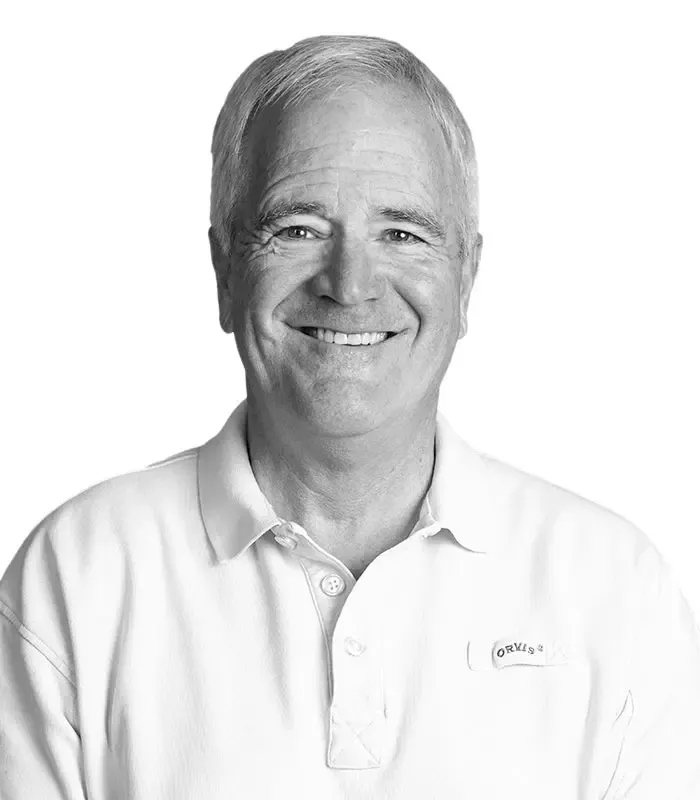
By: John Jacquat
Founder & President
Comparing Master Policies and HO-6 Policies
One of the most common points of confusion for condo owners is where the master policy ends and personal coverage begins. The master policy protects the building and common areas. An HO-6 policy, sometimes called a "walls-in" policy, protects your personal property, interior improvements, personal liability, and loss assessments.
These two policies aren't interchangeable. They're designed to work together. If your association carries a bare walls master policy, your HO-6 needs to cover everything from your drywall inward. If the association has all-in coverage, your HO-6 can carry lower dwelling limits but still needs to cover upgrades, personal belongings, and liability.
Coverage Comparison Table
| Coverage Area | Master Policy | HO-6 (Personal) |
|---|---|---|
| Building Structure/Roof | Yes | No |
| Common Areas (pool, gym, lobby) | Yes | No |
| Unit Interior (original build) | Depends on policy type | Yes (bare walls model) |
| Personal Belongings | No | Yes |
| Personal Liability | No | Yes |
| Unit Improvements/Upgrades | No | Yes |
| Loss Assessment | No | Yes (with endorsement) |
| Association Liability | Yes | No |
The takeaway here is straightforward. Don't assume the master policy has you covered inside your unit. Every Lakewood condo owner should carry an HO-6 with limits that reflect what they'd actually need to rebuild their interior and replace their belongings.
Filing a claim as a condo association is different from filing one as an individual homeowner. Multiple parties are involved, governing documents dictate responsibilities, and the dollar amounts tend to be larger. Boards that understand the process before disaster strikes handle claims faster and with fewer disputes.
Immediate Steps After Property Damage
The first 24 to 48 hours after a loss event set the tone for the entire claim. Start by documenting everything. Photographs, videos, written descriptions of the damage, and timestamps all matter. Secure the property to prevent further damage: tarping a roof, shutting off water, or boarding up broken windows.
Notify your insurance carrier immediately. Most policies require prompt reporting, and delays can complicate or even jeopardize your claim. Contact your property manager and legal counsel at the same time. If the damage affects individual units, communicate with affected owners quickly so they can file their own HO-6 claims in parallel.
Determining Deductible Responsibility
Deductible responsibility is one of the most contentious issues in condo associations. Master policy deductibles in Lakewood can range from $5,000 to $50,000 or more, depending on the policy and peril type. Wind and hail deductibles in Colorado often run as high as 2% to 5% of the insured value, which on a $10 million building means $200,000 to $500,000 out of pocket.
Your association's bylaws and declarations typically spell out who pays. Some associations pass the deductible to the unit owner whose unit was the source of the loss. Others absorb it from reserves. Recent Colorado HOA laws have added transparency requirements around how boards handle these costs, so make sure your policies align with current state statutes.
Working with Adjusters and Contractors
The insurance company will send an adjuster to assess the damage. Your association has the right to hire a public adjuster or independent appraiser if you disagree with the carrier's estimate. This is common with large hail claims in Lakewood, where initial estimates often understate the full scope of roof and siding damage.
When
selecting contractors for repairs, get at least three bids. Avoid signing contracts with storm chasers who show up unsolicited after severe weather. Your board should verify licensing, insurance, and references for any contractor before authorizing work. A poorly managed repair can create liability exposure that outlasts the original damage.
Risk Management for Lakewood Communities
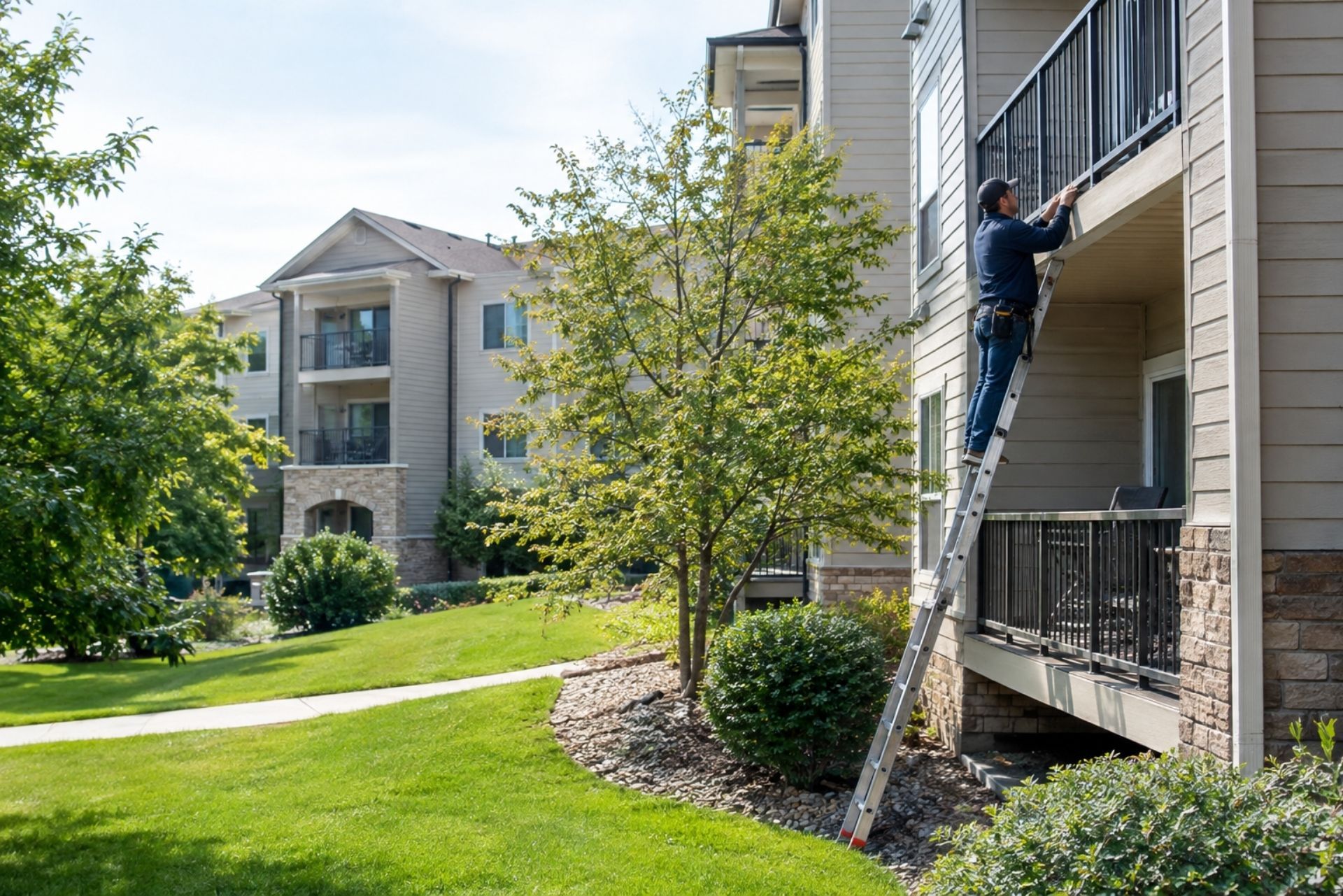
Insurance is only one piece of a broader risk management strategy. Smart boards pair strong coverage with proactive policies that reduce the likelihood of claims in the first place. This means regular property inspections, clear maintenance schedules, and documented safety protocols.
Condo association insurance in Lakewood should also include crime coverage, which protects the association's funds against theft or embezzlement by board members, property managers, or employees. Equipment breakdown coverage is another often-overlooked policy that pays for mechanical and electrical failures in elevators, boilers, HVAC systems, and other shared equipment. Standard property policies exclude these losses, so a separate equipment breakdown endorsement fills a real gap.
Directors and Officers (D&O) Liability
Board members volunteer their time, but that doesn't shield them from lawsuits. D&O liability insurance protects directors and officers against claims alleging mismanagement, breach of fiduciary duty, failure to enforce rules, or discrimination. Without it, individual board members could face personal financial exposure.
D&O claims in Colorado condo associations have increased as updated HOA governance rules give owners more avenues to challenge board decisions. Common triggers include disputes over special assessments, selective enforcement of community rules, and contract disputes with vendors. A good D&O policy covers legal defense costs even if the claim has no merit, which is often the most expensive part.
Preparing for Local Weather Hazards
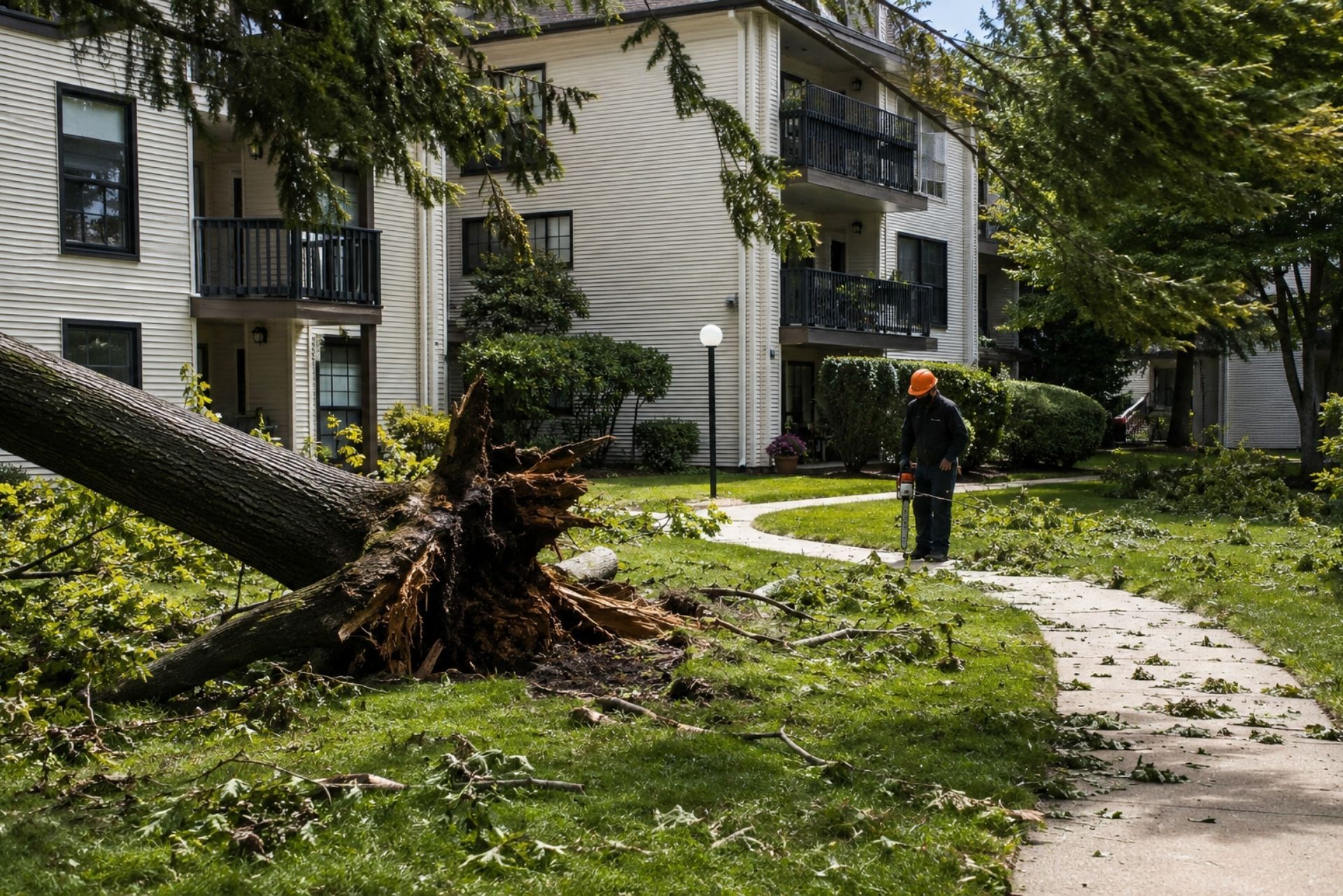
Lakewood sits in a corridor that sees frequent hail, heavy snow loads, and occasional high winds. These weather patterns drive a significant portion of condo association claims along the Front Range. Boards should budget for annual roof inspections and maintain photographic records of the property's condition, which strengthens your position if you need to file a weather-related claim.
Snow removal contracts should include clear liability language. If a resident slips on ice in the parking lot, the association may be liable unless the snow removal vendor's contract includes proper indemnification. Review these agreements with your insurance agent annually to make sure coverage gaps don't develop.
Common Questions About Condo Insurance
FAQ: Who pays the deductible if a pipe bursts in my wall?
The association usually pays if the pipe is a common element, but your bylaws might shift the cost to you if the leak originated inside your unit. Check your specific governing documents first, and ask your property manager for clarification before assuming either way.
FAQ: Does the master policy cover my personal furniture?
No. The association's master policy only covers the building structure and common areas. You need an HO-6 policy to protect your belongings, interior finishes, and personal liability. Lakewood condo owners can find Colorado-specific HO-6 guidance to help size their personal coverage correctly.
FAQ: What is loss assessment coverage?
This is an add-on for your HO-6 policy that helps pay your share if the association charges all owners for a major claim or lawsuit that exceeds the master policy's limits. Given rising deductibles in Colorado, carrying at least $50,000 in loss assessment coverage is a practical minimum for most Lakewood owners.
FAQ: How often should our board review our coverage?
Have a professional insurance review every year. Rising construction costs in Lakewood mean old coverage limits might fall short of what it would actually cost to rebuild. Your annual review should also account for any new amenities, completed renovations, or changes in
condominium lending guidelines that affect minimum coverage requirements.
Securing Your Community's Future
Getting condo association insurance right in Lakewood isn't a one-time task. It's an ongoing responsibility that requires attention to policy details, awareness of Colorado's evolving regulations, and honest conversations between boards and unit owners about who's responsible for what.
The most well-protected communities share a few traits. Their boards review coverage annually with a qualified agent. They maintain adequate reserves so a single large deductible doesn't trigger a special assessment. They carry D&O, crime, and equipment breakdown coverage alongside their master property and liability policies. And they make sure every owner understands the importance of carrying a personal HO-6 policy.
If your board hasn't reviewed its insurance package in the last 12 months, schedule that meeting now. Bring your declarations, your most recent reserve study, and a list of any property changes or new amenities. The cost of being proactive is always less than the cost of being caught unprepared.
ABOUT THE AUTHOR:
John Jacquat
As President of Pure Risk Advisors, I’m dedicated to helping clients protect what matters most through clear, personalized insurance solutions. Since 2009, my focus has been delivering trusted coverage and guidance for individuals and businesses across Colorado and beyond.
The Pure Risk Process
Process of Working With A Business Insurance Agent in Colorado

Risk Analysis & Tailoring
Embark on a meticulous exploration of your business's unique vulnerabilities and aspirations. Pure Risk Advisors goes beyond mere coverage, ensuring you're equipped with solutions finely tuned to Colorado’s distinct business landscape.

Strategic Business Consultation
Dive deep into a strategic session with our seasoned specialists. By delving into your business model, aspirations, and challenges, we align our insurance recommendations not just to protect but to propel your business forward, keeping in mind Colorado’s intricate regulatory environment.

Swift Policy Integration
Upon discerning the optimal protection strategy, we streamline the activation process. Partnering with Pure Risk Advisors means more than just business insurance – it's about securing your enterprise's future with unmatched diligence and expertise in Colorado.
Pure Risk Advisors Team
Meet Our Colorado Professional Team Members
Meet the heart and soul of Pure Risk Advisors: our exceptional team. Each individual has been meticulously selected not just for their deep-rooted industry knowledge, but for their passion and commitment to genuinely serve our clients.
We pride ourselves on forging more than just business transactions; we build relationships. Our team doesn't see you as just another policy number. Instead, they view every interaction as a partnership, crafting solutions that resonate with your unique needs.
Dive in, get to know us, and discover firsthand why our team makes all the difference.


Client Testimonials
Amazing Feedback About Pure Risk Advisors


In today’s insurance marketplace, innovation and originality are important - but unless they’re accompanied by integrity and personalized service, they do little to accomplish a club owner’s goals. ACE National is proud to recognize John Jacquat and his company, Pure Risk Solutions, as one of our top-ranked premier industry providers. John has consistently mastered achievement in leadership, creating the best product for a client’s needs and following through on his word. I can recommend Mr. Jacquat without reserve if you’re in the market for club insurance.
Angelina Spencer
Executive Director of Ace National
Business Insurance Coverage in Colorado
Commercial Insurance Options
Business Owner's Policy
Coverage for property damage, liability, and business interruption combined.
General Liability Insurance
Protects against business liabilities like bodily injury and property damage.
Workers' Comp. Insurance
Covers employee injury costs, ensuring business and worker protection.
Professional Liability Insurance
Guard against professional mistakes, negligence, or services rendered failures.
Commercial Property Insurance
Broad protection against business-related injuries or property damage claims.
Commercial Auto Insurance
Coverage for business vehicles against damage, injury, or liability.
We've been serving Colorado Business Since 2009
Industries Served
Latest News & Blog
Read Our Latest Articles