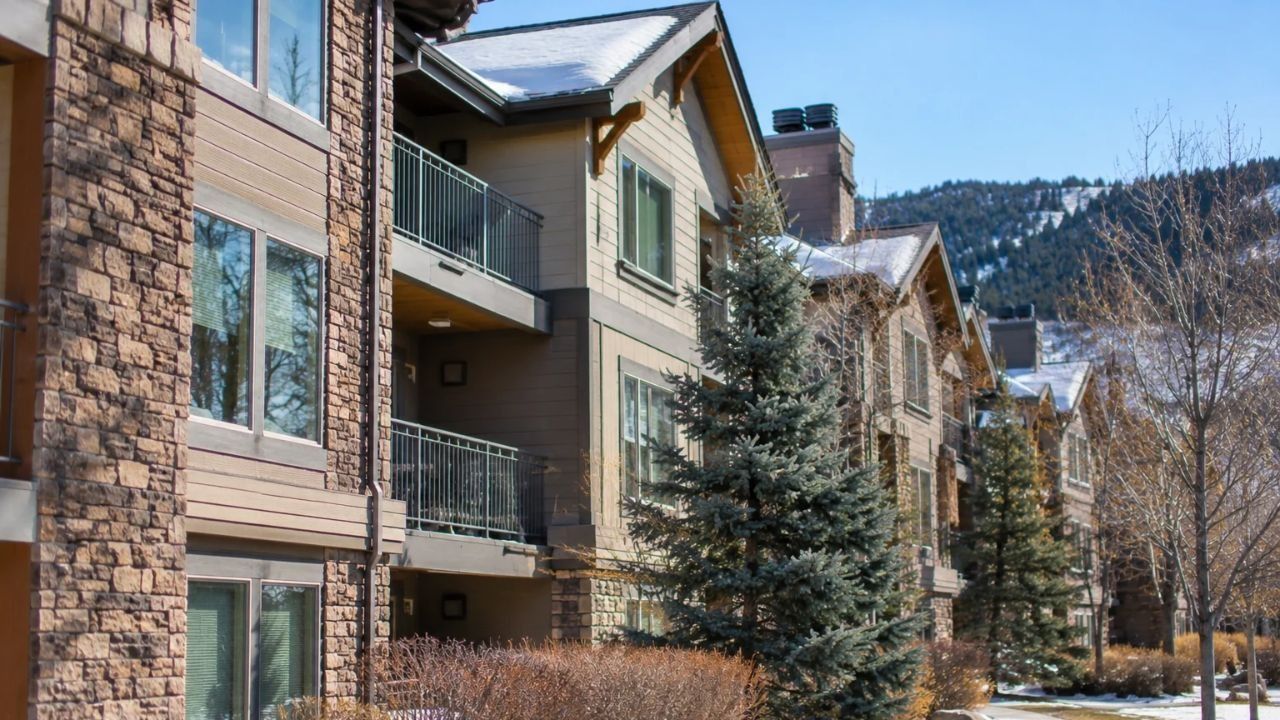
Colorado Condo Association Equipment Breakdown Insurance
9:00am - 5:00pm Mon-Fri
We'll Reply in 15min*
A January cold snap hits Denver, and the boiler in your 48-unit building fails overnight. By morning, residents have no heat, and pipes on the top floor are at risk. Within a week, the board is arguing with three different adjusters about whether the loss was a "breakdown" or a "freeze." That exact fight is why equipment breakdown insurance for Colorado condo associations deserves more attention from your board than it usually gets.
Most
HOA boards assume their
master policy handles anything mechanical. It doesn't. The gaps tend to show up during the worst possible week of the year, when replacement parts are backordered and every contractor in the Front Range is booked.
Protecting Colorado Condos from Mechanical Failure
Colorado buildings put mechanical systems under unusual stress. Altitude affects combustion efficiency in boilers. Wide daily temperature swings strain HVAC compressors. Mountain properties in Summit and Eagle counties run heating equipment for most of the year, which shortens component life.
Equipment breakdown coverage, sometimes still called boiler and machinery insurance, pays for sudden and accidental physical damage to covered equipment. Think of a motor that burns out, a circuit board that shorts from a power surge, or a pressure vessel that cracks. It covers repair or replacement of the equipment itself, plus related losses like spoiled food in a clubhouse kitchen or temporary heating costs.
Here's what that means for you: this policy responds to internal failure, not external events like hail or fire. Your property policy handles the outside threats. Breakdown coverage handles what goes wrong inside the machine.
The timing matters too. Starting August 12, 2026, HB26-1099 requires developers to hand over a 30-year professional reserve study, including projected maintenance for mechanical systems, before control transfers to the HOA. Newer associations will finally have a documented baseline for their equipment. Use that study when you review breakdown limits, because it tells you exactly what you own and how old it is.

By: John Jacquat
Founder & President
Core Systems Covered by Equipment Breakdown Insurance
Most breakdown forms cover a broad list of equipment categories. These are the three that generate the biggest condo claims.
Boilers and HVAC Systems
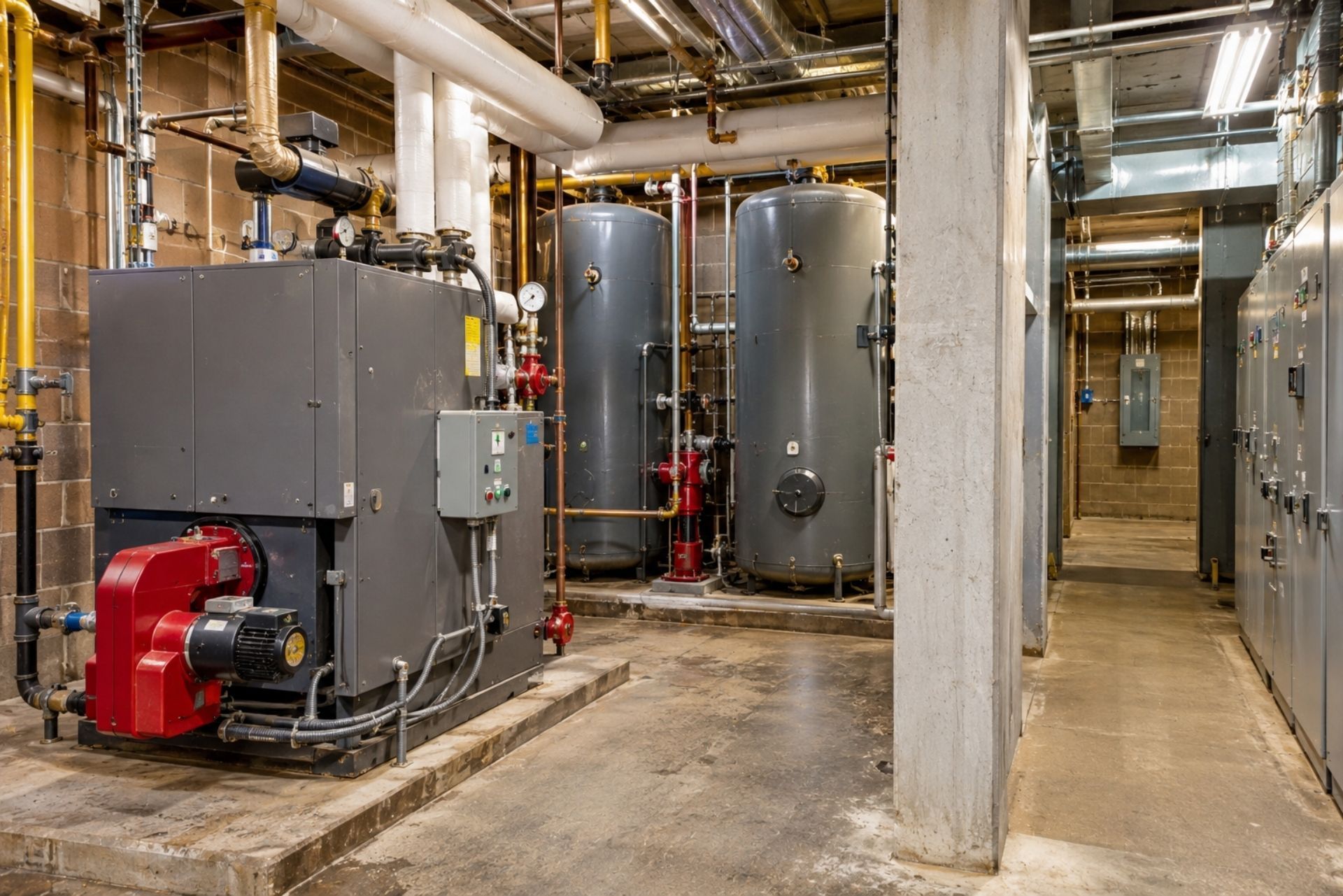
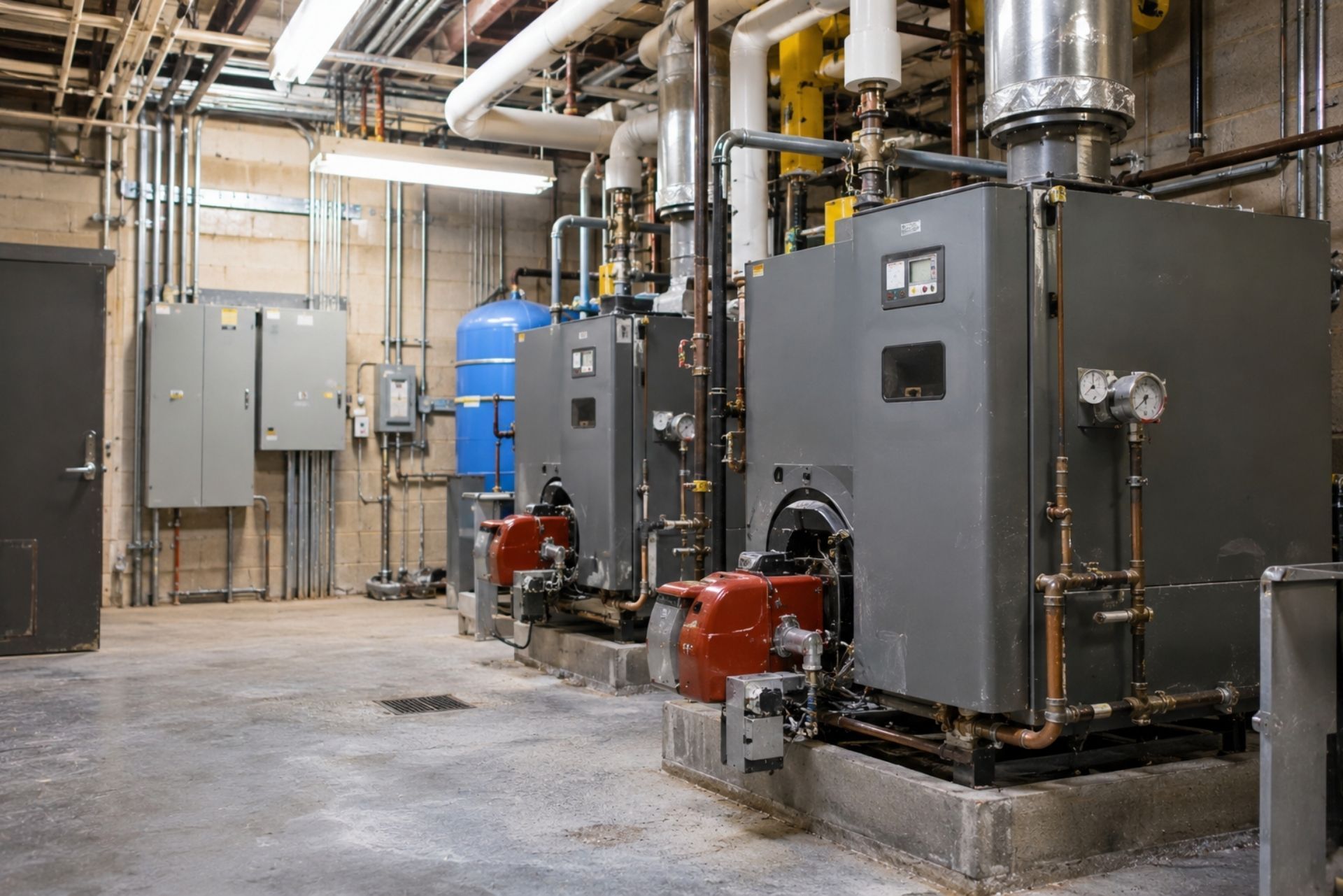
Boilers are the original reason this coverage exists. A cracked heat exchanger, a failed burner assembly, or a ruptured pressure vessel can mean a five-figure repair and days without heat. Rooftop units, chillers, and central air handlers fall in the same category.
One thing to keep in mind: in our experience, HVAC risk is often property damage, not equipment failure. A frozen coil that bursts and floods three units below is mainly a water damage claim under your property policy. The breakdown policy pays to fix the coil. Knowing which policy pays for which piece of the loss saves weeks of back-and-forth.
Elevators and Mechanical Lift Equipment
Elevators are expensive to install and costly to repair in Colorado. Residential elevator installations in the state typically run $20,000 to $60,000, and premium systems can exceed $100,000. High-altitude conditions add roughly a 15 to 25% installation premium over national averages.
That premium carries through to repair work. A failed traction motor, damaged controller, or burned-out hydraulic pump can cost far more than boards expect. Breakdown coverage pays for the repair, but it won't cover routine maintenance or wear that your elevator service contract should handle. Read both documents side by side so you know where one stops and the other starts.
Electrical Distribution and Circuitry
Switchgear, transformers, main panels, and building automation systems are all covered equipment. Electrical arcing and power surges cause a large share of breakdown claims, and Colorado's summer lightning season along the Front Range makes surge damage a real exposure.
Modern buildings depend heavily on electronics. Fire alarm panels, access control systems, EV charging stations, and smart thermostats all have circuit boards that fail from surges. A single lightning strike nearby can knock out several systems at once, so make sure your schedule of covered equipment includes these newer additions.
Why Standard Property Insurance Isn't Enough
Your master property policy almost certainly contains a mechanical breakdown exclusion. Standard commercial property forms exclude loss caused by "mechanical breakdown, including rupture or bursting caused by centrifugal force" and "artificially generated electrical current." That language exists because the property insurer expects a breakdown policy to pick up those losses.
The catch is that property forms often pay for resulting damage. If a boiler explodes and starts a fire, the fire damage may be covered. The boiler itself usually isn't. Without breakdown coverage, your association pays to replace the equipment out of reserves.
Cause-of-loss disputes are where boards get hurt. A Denver condo association sued six insurers in January 2026 over a boiler failure, arguing about whether the damage was a covered mechanical breakdown or an excluded freezing event. When multiple carriers each point at a different exclusion, the association ends up in litigation instead of repairs.
Colorado's broader insurance market adds pressure.
Hail accounts for 26% to 54% of total property premiums in the state, so boards are fighting higher property costs already. Breakdown coverage is generally inexpensive by comparison, and it's one of the few places where a modest premium closes a large gap. Some associations also land on the
Colorado FAIR Plan, which offers up to $5 million in commercial property coverage for HOAs declined by at least three private carriers. If that's you, confirm separately whether breakdown coverage is available and how to buy it alongside the FAIR Plan policy.
Comparison: Property Coverage vs. Equipment Breakdown
This table shows how the two policies usually split a typical condo loss. Actual wording varies by carrier, so treat it as a starting point for your broker conversation.
| Loss Scenario | Master Property Policy | Equipment Breakdown |
|---|---|---|
| Hail damages rooftop HVAC unit | Usually covered | Not covered |
| Compressor burns out internally | Excluded | Covered |
| Boiler cracks from internal pressure | Excluded | Covered |
| Fire caused by electrical arcing | Fire damage covered | Damaged panel covered |
| Power surge fries elevator controller | Typically excluded | Covered |
| Pipe freezes due to heat failure | Often disputed | Disputed, check wording |
| Normal wear and tear | Excluded | Excluded |
| Temporary heaters during repair | Rarely covered | Covered under extra expense |
Notice the freeze row. That's the zone where most Colorado disputes happen, and it's the first thing you should ask your broker to clarify in writing.
Understanding Extra Expense and Business Income Loss
Breakdown policies do more than fix machines. Extra expense coverage pays the additional costs to keep the building livable while repairs happen. For condo associations, this is often the most valuable part of the policy.
Typical extra expense items include:
- Rental boilers or portable heaters brought in during a winter outage
- Expedited shipping for parts that would otherwise take weeks
- Overtime labor so contractors can work nights or weekends
- Temporary generators after switchgear failure
- Hotel costs in some policies, if units become uninhabitable
Business income coverage matters less for most residential associations, since you don't sell products. That said, mixed-use buildings with ground-floor retail, or associations that rent clubhouse space, parking, or short-term units, may lose real income during an outage. Ask whether your form includes it.
Watch the waiting period. Many policies apply a time deductible, often expressed in hours, before extra expense or income coverage kicks in. Also check spoilage coverage if your building has a shared kitchen or refrigerated storage. Small limits on these sublimits are a common surprise after the claim.
Breakdown claims move fast or they get messy. Your first 48 hours set the tone for the whole settlement.
Documenting Damage and Temporary Repairs
Follow these steps as soon as a failure happens:
- Make it safe first. Shut down the equipment and call a licensed technician. Protect residents before anything else.
- Notify your carrier immediately. Late notice is one of the most common reasons carriers push back.
- Photograph and video everything before any parts get removed. Capture the equipment nameplate, serial number, and surrounding damage.
- Keep the failed parts. Don't let a contractor haul away a cracked heat exchanger. The adjuster may need it for cause analysis.
- Pull maintenance records. Service logs prove the failure wasn't neglect or wear.
- Track every dollar of temporary repairs, rentals, and overtime in a single spreadsheet.
Temporary repairs are expected and usually reimbursable. Just document why each one was needed.
Working with Adjusters and Specialized Contractors
Breakdown carriers often send engineers instead of standard property adjusters. That's a good thing, because they understand mechanical failure. On the flip side, their cause-of-loss conclusions carry weight, so you want your own qualified contractor's opinion on record too.
Valuation gaps can be huge. In a 2025 case involving Prairie Walk Condominium Association, the association claimed $14 million while a contractor proposal came in at $1.7 million. That was a hail claim, not a breakdown claim, but the lesson applies: accurate, well-supported damage evaluations decide outcomes. Use contractors who specialize in the specific equipment, and get written scopes with line items.
If the dispute involves both your property carrier and breakdown carrier, ask whether your policies include a joint loss agreement. This provision lets the two carriers split a disputed loss and pay you while they sort out the allocation, so your association isn't stuck waiting.
Common Questions About Condo Equipment Insurance
Do we need breakdown coverage if our equipment is new? Yes. New equipment fails too, especially electronics, and manufacturer warranties rarely cover surge damage or the extra expense of keeping residents comfortable.
Is equipment breakdown included in our master policy? Sometimes it's added as an endorsement, sometimes it's a separate policy. Check your declarations page or ask your broker for the exact form number.
Does it cover owner-installed equipment inside units? Usually not. Individual furnaces, water heaters, and appliances inside units typically fall under the owner's HO-6 policy, depending on your declarations.
What if a freeze damages the boiler? That depends on policy wording. Some forms cover freezing as a breakdown cause, others exclude it, so get the answer in writing before winter.
How do Colorado's new insurance laws affect us? As of October 1, 2026, HB25-1182 requires insurers to disclose wildfire risk scores and consider mitigation when setting premiums. It mainly affects property rates rather than breakdown coverage, but it's worth discussing at renewal.
What's a reasonable deductible? That varies by building size and reserves. Many boards choose a deductible they could pay from operating funds without a special assessment.
The Bottom Line for HOA Board Members
Mechanical failure is one of the most predictable losses a condo building faces, and one of the most commonly uninsured. Your property policy excludes it, your elevator service contract won't pay for surge damage, and your reserves weren't built to absorb a surprise boiler replacement in February.
Start with your equipment list and reserve study. Confirm that every major system, from boilers and HVAC to elevators and switchgear, is scheduled. Ask your broker three direct questions: how freezing is handled, whether extra expense limits match your realistic outage costs, and whether a joint loss agreement exists between your carriers.
Colorado winters will test your equipment. The board that reviews its breakdown coverage in September is the one that gets heaters delivered on day one, rather than spending January in a coverage dispute.
ABOUT THE AUTHOR:
John Jacquat
As President of Pure Risk Advisors, I’m dedicated to helping clients protect what matters most through clear, personalized insurance solutions. Since 2009, my focus has been delivering trusted coverage and guidance for individuals and businesses across Colorado and beyond.
The Pure Risk Process
Process of Working With A Business Insurance Agent in Colorado

Risk Analysis & Tailoring
Embark on a meticulous exploration of your business's unique vulnerabilities and aspirations. Pure Risk Advisors goes beyond mere coverage, ensuring you're equipped with solutions finely tuned to Colorado’s distinct business landscape.

Strategic Business Consultation
Dive deep into a strategic session with our seasoned specialists. By delving into your business model, aspirations, and challenges, we align our insurance recommendations not just to protect but to propel your business forward, keeping in mind Colorado’s intricate regulatory environment.

Swift Policy Integration
Upon discerning the optimal protection strategy, we streamline the activation process. Partnering with Pure Risk Advisors means more than just business insurance – it's about securing your enterprise's future with unmatched diligence and expertise in Colorado.
Pure Risk Advisors Team
Meet Our Colorado Professional Team Members
Meet the heart and soul of Pure Risk Advisors: our exceptional team. Each individual has been meticulously selected not just for their deep-rooted industry knowledge, but for their passion and commitment to genuinely serve our clients.
We pride ourselves on forging more than just business transactions; we build relationships. Our team doesn't see you as just another policy number. Instead, they view every interaction as a partnership, crafting solutions that resonate with your unique needs.
Dive in, get to know us, and discover firsthand why our team makes all the difference.




Client Testimonials
Amazing Feedback About Pure Risk Advisors


In today’s insurance marketplace, innovation and originality are important - but unless they’re accompanied by integrity and personalized service, they do little to accomplish a club owner’s goals. ACE National is proud to recognize John Jacquat and his company, Pure Risk Solutions, as one of our top-ranked premier industry providers. John has consistently mastered achievement in leadership, creating the best product for a client’s needs and following through on his word. I can recommend Mr. Jacquat without reserve if you’re in the market for club insurance.
Angelina Spencer
Executive Director of Ace National
Business Insurance Coverage in Colorado
Commercial Insurance Options
Business Owner's Policy
Coverage for property damage, liability, and business interruption combined.
General Liability Insurance
Protects against business liabilities like bodily injury and property damage.
Workers' Comp. Insurance
Covers employee injury costs, ensuring business and worker protection.
Professional Liability Insurance
Guard against professional mistakes, negligence, or services rendered failures.
Commercial Property Insurance
Broad protection against business-related injuries or property damage claims.
Commercial Auto Insurance
Coverage for business vehicles against damage, injury, or liability.
We've been serving Colorado Business Since 2009
Industries Served
Latest News & Blog
Read Our Latest Articles